Spatial Design Studio Logo Spatial Design Studio Contact Us
Contact Us
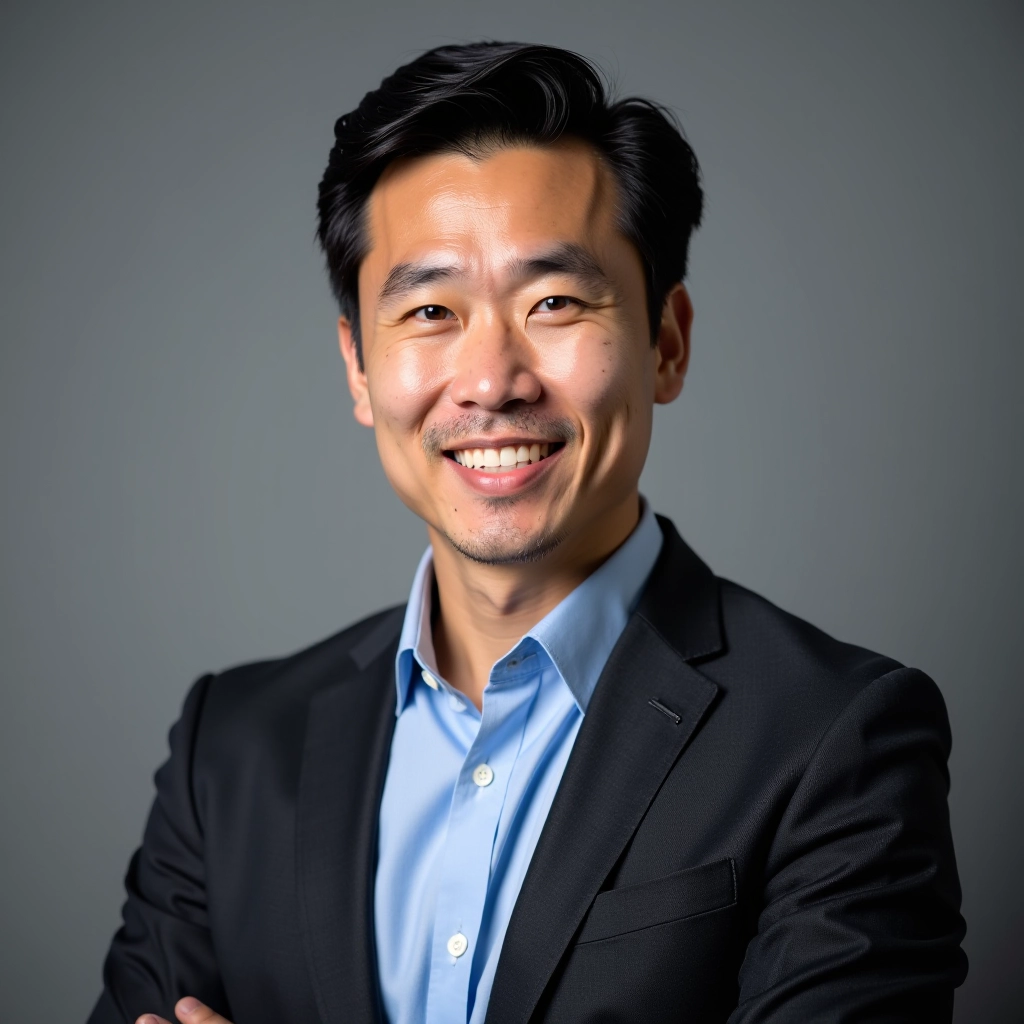
Michael Wong, Senior Instructor and 3D Visualization Specialist at Spatial Design Studio Limited, portrait photo
Interior Design Educator

Michael Wong

Senior Instructor & 3D Visualization Specialist

Spatial Design Studio Limited
Interior Design, Hong Kong Design Institute
Advanced 3D Rendering Certifications, Asia Pacific Institute of Digital Arts
14 Years Professional Experience in Interior Design
200+
Projects Completed
40%
Reduction in Design Revisions
14
Years Industry Experience
What I Teach

Areas of Specialization

Focused expertise in digital visualization, spatial design, and professional communication for Hong Kong’s interior design community

3D Visualization Techniques

Master SketchUp, V-Ray, and Unreal Engine to create photorealistic renders that communicate your design intent clearly. We’ll cover lighting, materials, camera angles, and the complete workflow from concept to final presentation.

Mood Board Creation

Learn the framework that’s changed how Hong Kong designers present their work. We combine photographic references with real-time 3D models to create mood boards that clients actually understand on first viewing.

Compact Space Design

Specialized in solving Hong Kong’s unique spatial challenges. We’ll work through real-world constraints of small apartments, commercial units, and mixed-use spaces across the New Territories and beyond.

Advanced Lighting Design

Understanding how light transforms a space is everything. You’ll learn natural light planning, artificial lighting design, and how to use lighting to solve design problems before construction begins.

Client Communication

The best design means nothing if clients don’t understand it. We’ll cover how to present concepts effectively, manage expectations, and use visualization tools to reduce revision cycles significantly.

Workflow Optimization

Professional-grade tools don’t need to be complicated. You’ll learn efficient workflows that save hours each week, from initial concept sketches through final client deliverables and documentation.

Professional Journey

Education & Experience

Michael’s path into interior design wasn’t the typical route. He started as a CAD technician at a mid-sized architectural firm in Hong Kong back in 2010, where he spent three years learning the fundamentals of technical drawing and spatial planning. That early experience proved invaluable — it gave him a strong foundation in how buildings actually work, not just how they look.

By 2013, he’d recognized something important: the local design industry was hungry for better visualization tools, but most designers weren’t trained in how to use them. So he made the leap into full-time interior design work and invested heavily in mastering the software. SketchUp first, then V-Ray for rendering, and eventually Unreal Engine for immersive walkthroughs. He also pursued formal education, completing his degree in Interior Design at the Hong Kong Design Institute in 2015, followed by advanced 3D rendering certifications from the Asia Pacific Institute of Digital Arts.

The breakthrough came in 2018. After working on over 150 residential and commercial projects, he’d noticed a pattern: clients were struggling to visualize designs from 2D floor plans and sketches. So he developed a proprietary mood board framework that combines photographic references with real-time 3D models. It’s simple, but it works. Design revision cycles dropped by up to 40% for studios that adopted it. Now that methodology is used by design studios across the New Territories.

Today, Michael brings all of that practical experience into his teaching. He’s not interested in theoretical concepts that don’t apply to real projects. Every lesson is built around problems he’s actually solved — how to handle difficult client feedback, how to present designs that clients immediately understand, how to work in Hong Kong’s tight spatial constraints. He’s driven by a simple belief: great design communication should be accessible to every designer, regardless of their technical background.

2010

CAD Technician

Started career at architectural firm, mastered technical drawing and spatial planning

2013

Transition to Interior Design

Moved into full-time interior design work and began specialized software training

2015

Degree Completion

Graduated with Interior Design degree from Hong Kong Design Institute

2016

Advanced Certifications

Completed 3D rendering certifications from Asia Pacific Institute of Digital Arts

2018

Framework Development

Created proprietary mood board methodology, now adopted across the industry

2020+

Educator & Specialist

Now leads courses and mentors next generation of Hong Kong designers

Teaching Approach

How I Work With Designers

01

Practical First

Every lesson applies to real projects. We’re not learning theory — we’re solving actual design problems you’ll encounter in your work this week.

02

Hands-On Learning

You’ll work through complete projects from concept to final presentation. No lectures without doing. Every skill gets applied immediately.

03

Real-World Constraints

We focus on Hong Kong’s actual design challenges. Small spaces, difficult clients, tight budgets, and the technical constraints that define our local market.

04

Accessible Expertise

Professional-grade tools don’t require a PhD to use. We demystify software and focus on what actually matters — communicating your design clearly.

Featured Content

Articles & Resources

Practical guides and in-depth tutorials on 3D visualization, mood boards, and interior design for Tai Po’s design community

Getting Started with 3D Visualization Tools

A comprehensive beginner’s guide to SketchUp and basic rendering. We’ll cover the fundamentals of 3D modeling, creating floor plans, and your first simple renders without the overwhelming technical jargon.

Read Article

Mood Board Creation That Actually Works

The methodology that’s transformed how designers present work to clients. You’ll learn to combine photographs, color swatches, and 3D models into presentations that communicate instantly.

Read Article

Presenting Designs with Photorealistic Renders

How to create renders that clients actually believe are photographs. Materials, textures, lighting, and camera angles all work together to create convincing visualizations.

Read Article

Advanced Lighting Techniques for Interior Renders

Lighting is where amateur renders fall apart. Learn how professionals use natural and artificial light to solve design problems, create mood, and guide viewers’ attention through a space.

Read Article
About Michael

The Full Story

Michael Wong isn’t your typical design educator. He’s a working designer who still takes on projects, still solves real problems, and still learns new techniques every month. That hands-on reality shapes everything he teaches.

Over 14 years, he’s completed over 200 projects across residential and commercial spaces throughout Hong Kong. More importantly, he’s learned what actually matters to designers in the field. It’s not the fanciest software or the most cutting-edge trends — it’s solving problems efficiently and communicating clearly with clients.

His specialty has always been Hong Kong’s unique design challenges. Compact apartments in Tai Po, Sheung Shui, and beyond. Commercial spaces squeezed between other businesses. Mixed-use projects with impossible spatial constraints. He’s developed practical solutions for these real-world limitations, and those solutions form the backbone of his courses.

The mood board methodology he created in 2018 came from frustration. He watched brilliant designs get lost in translation — designers struggled to help clients visualize spatial concepts from 2D plans. So he built a framework that combines the best of photography, color theory, and 3D visualization. It works. Design revision cycles dropped 40% for studios using it. That’s not theory — that’s measurable, real-world impact.

Today, Michael leads courses at Spatial Design Studio Limited while continuing to work on select projects. He’s particularly passionate about mentoring emerging designers in the New Territories who are building their visualization skills. He believes that great design communication should be accessible to every designer, regardless of technical background or budget constraints.

When he’s not teaching or designing, you’ll find him exploring new rendering techniques, attending design conferences, or working with local studios to refine and improve the mood board framework that’s now used across the industry.

Ready to Learn 3D Visualization?

Explore the articles and resources above, or get in touch to discuss specialized training for your team or studio.